

The WNBA’s audience (or just the W from here on out) can be generally split into two main fan groups: those who have been following the league for years and those who followed the NCAA phenom Caitlin Clark into the W. I belong to the latter. In fact, I never followed the NBA unless we’re talking about my teenage years, when I was interested in the three big pro leagues in America: the MLB, the NFL, and the NBA. Still, I was a kid, so my attention span for any of those games was limited. Though I was more interested in MLB, I continued to follow baseball into my later years.
I never thought I would follow a women’s sport as sexist as that sounds. So imagine my surprise when, in 2022, while vegging out in my La-Z-Boy, swiping through YouTube videos, I beheld this young college point guard sinking — what I would later learn are called — “logo” three-pointers. Not three-pointers from the arch, but from the logos on opposite sides of the half-court; thirty-three- to thirty-five-foot field goals. Soon after, when my YouTube account figured out I liked this tall baller from the University of Iowa, I was watching insane, nearly full-court passes and jaw-dropping ball-handling and footwork that left opponents looking foolish.
By the time she graduated from college and was in her rookie year with the Indiana Fever in the W, she continued her brilliant play with one significant exception. She was clearly hated by the old guard of the W, as she was the victim of about 17 percent of all personal fouls in that 2024 season. Clark poses a clear threat to the way the W veterans like to play. She is a dynamic player who uses finese to rack up points and assists–intimidation is not in her personal playbook and that is a threat to the way hoops are played in the W. Too, she could be hated purely because Clark is white (the W is around 70 percent African American) and/or that she is straight (the W is around 40 percent lesbian).
On purely a personal level, I was disappointed to see the unwelcome reaction of Clark’s arrival to the W by players like Alyssa Thomas (seen here at the top of the post pressing down on Clark’s neck just after kneeing her in the groin), Brittney Griner who has clothes lined her once or twice, Dijonai Carrington who poked Clark in her eye with her ridiculous long nails, Chennedy Carter who hip checked Clark after she had scored, and Marina Mabrey who basically did the same thing as Carter. These and all the other “thugs,” as some are calling them, are only a few of the players whose actions are counterproductive to the W’s growth, but don’t tell that to the old guard; they have been playing that way for nearly thirty years.
Clark immediately elevated the W during her rookie year with her dazzling play, and audiences couldn’t get enough of her. Wherever she and the Indiana Fever played, the opposing team had to move from their meager pre-2024 WNBA-sized home court to an adjacent NBA, college, or municipal arena to accommodate demand to watch the famous point guard spin her magic. It is not conclusive, but many think it was Clark who helped the W to contract with a charter jet company to move teams around the continent during basketball season. Very early into Clark’s rookie year, the league was still flying coach.
In college, Clark’s highlights and personality went viral, drawing attention to women’s sports on social media. Her games saw a surge in attendance, showcasing a growing fanbase for women’s collegiate basketball. Brands became more willing to invest in women’s sports, inspired by the attention athletes like Clark bring. Clark served as a role model for young female athletes, encouraging them to participate in sports. There was a notable increase in media coverage of women’s basketball, partly due to her influence. Around that time, someone coined the term “the Caitlin Clark Affect” to describe the impact Clark had on Women’s NCAA basketball, and that effect spilled over into the W after Clark became the first round/first pick in the 2024 WNBA Draft. Being first overall pick in the Draft, along with being white and straight, may have something to do with the abuse Clark is enduring. Kelsey Plum, who is also straight, white, and the first overall pick, went through a similar baptism of fire in her rookie year in 2017, and she still complains about getting beaten up on the hardwood.
This season, when the All-Star Game ballots were tabulated, Clark’s fellow players ranked her 11th in a field of 12. (It’s probably no coincidence that Plum is ranked 12th.) To fully understand what a snub this is, keep in mind that, as of July 6, Clark was ranked 4th in Points and leads the WNBA in Assists. Or as the famous sports commentator and podcaster Colin Cowherd said:
Still, there has been a problem with the W that transcends race, sexual orientation, or being picked first in a draft: if the officiating of WNBA games improved (and it needs to improve by quite a bit), much of this problem would be greatly reduced. You’d still have some overly aggressive players (Alyssa Thomas, Brittney Griner, et al), but ding them and their teams enough times with flagrant fouls, and the points against the offending player/team will ultimately show up on the scoreboard. (It doesn’t help the victim or her team if a foul has been assessed or changed after the game.)
Also, currently, in the WNBA, fouls generally cannot be challenged. Coaches may request reviews for certain types of plays, such as out-of-bounds calls, shot clock violations, or buzzer beaters, but foul calls are currently not eligible for review. Players and coaches are expected to follow the league’s rules on fouls, and teams may submit feedback to the league to raise a dispute for review; however, that doesn’t affect the game in which it occurred. As in Major League Baseball and the NFL, there should be a rule allowing coaches to compel the refs to review a play via instant replay and make a judgment based on that review. Finally, better referees are needed. The NBA already supports the W financially; it should also bring the W’s officiating up to NBA standards. It is surely needed.
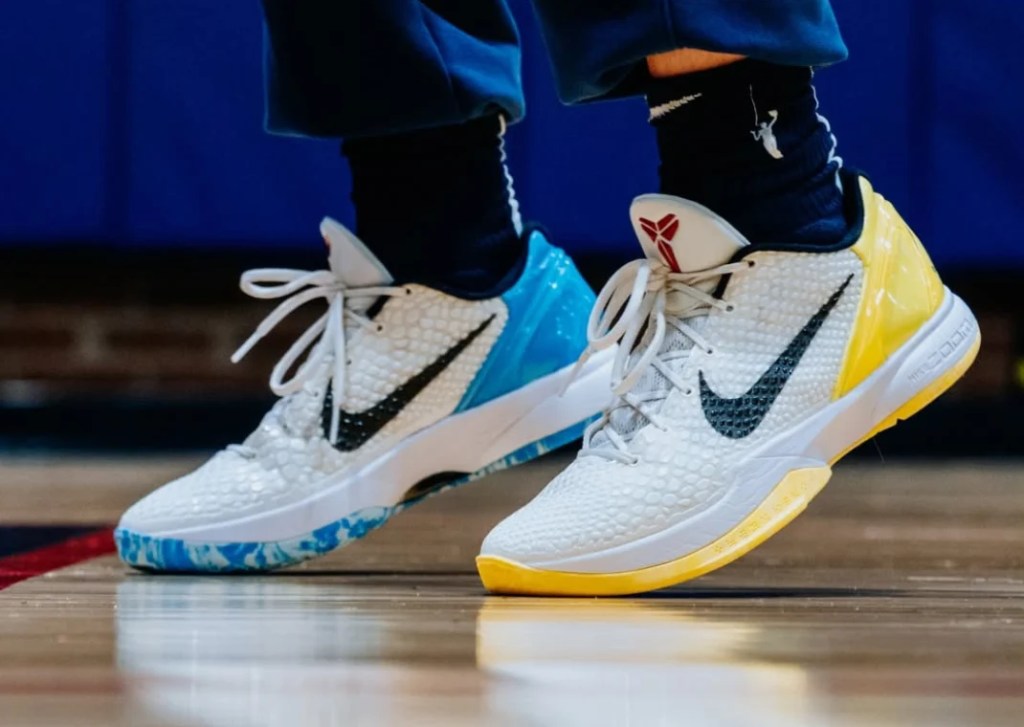
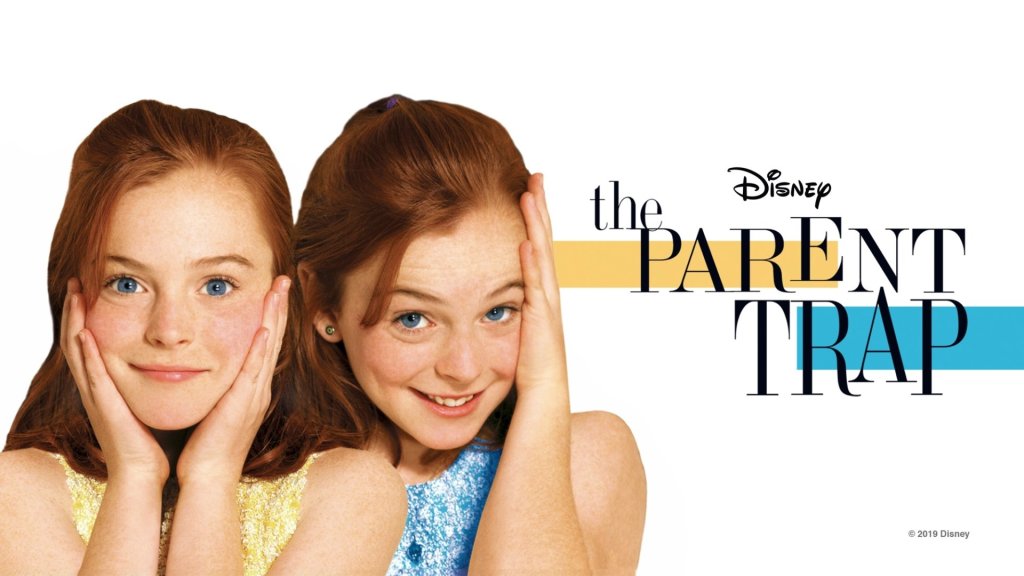
Horrible officiating aside, the racism on social media has to somehow be squelched. This blogger, who is a neophyte to the women’s game, has no idea how to fix that, but I believe most of the racism is on the white against black. It might not be so bad if Clark weren’t so talented and so dog-gone sweet. Trash-talking on the court aside, this is someone who loves the 1998 remake of Disney’s The Parent Trap so much that she had her Nike Kobe 6 Protro PEs fashioned after the two dresses Lindsay Lohan wears in the film, at least according to the film’s one-sheet.
Ultimately, Caitlin Clark’s arrival in the WNBA has exposed both the league’s enormous potential and some of its most troubling weaknesses. Her talent has brought new fans, new attention, and new revenue to women’s basketball, but that momentum can only last if the league protects its players, improves its officiating, and discourages the uglier behavior that surrounds the game. The WNBA must recognize that stars like Clark are not threats to the game—they are opportunities to make it better.
For further reading on the bigger problems facing the WNBA, read this piece from The Athletic/The New York Times.


Leave a Reply